
 Send Inquiry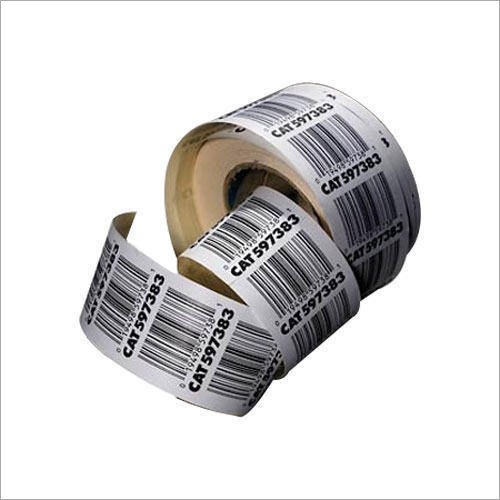
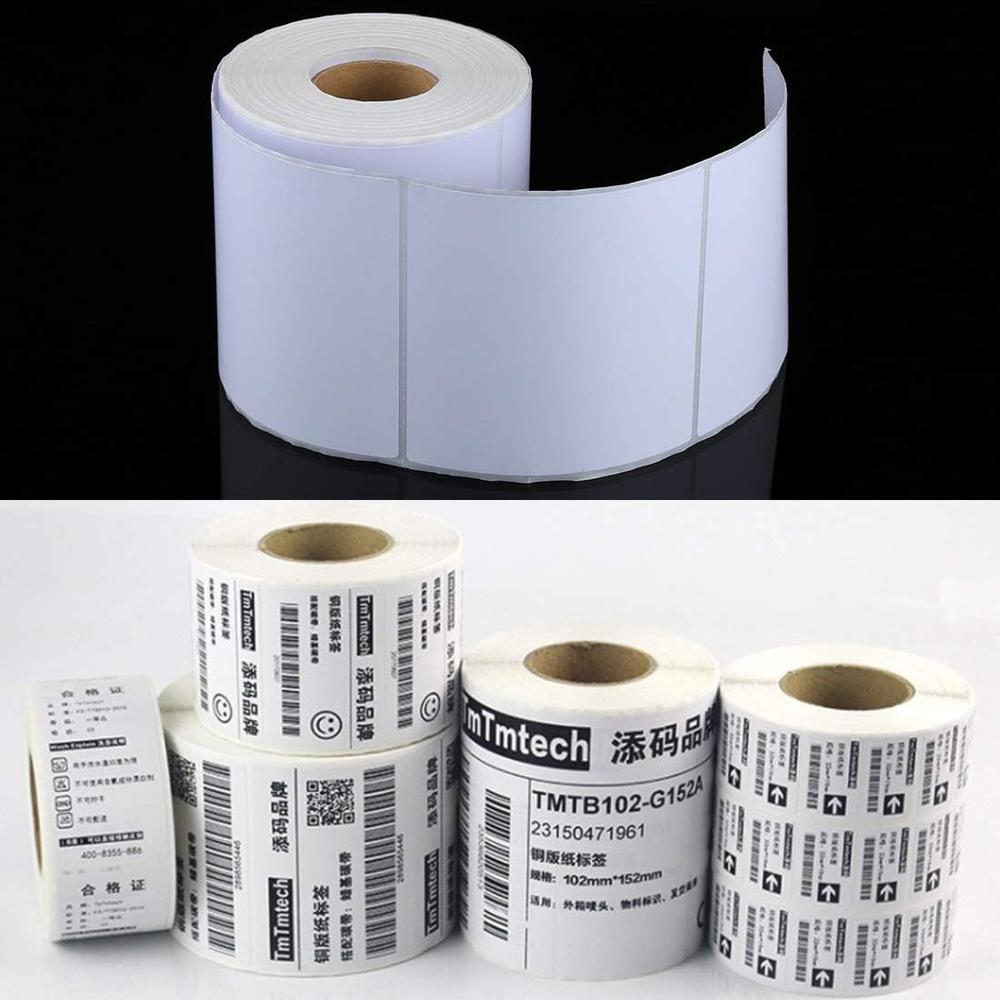
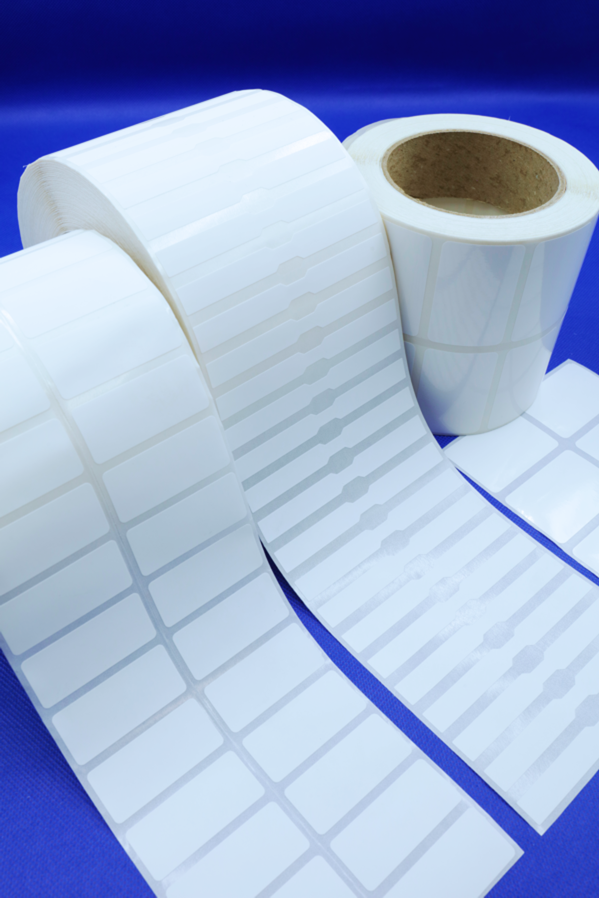
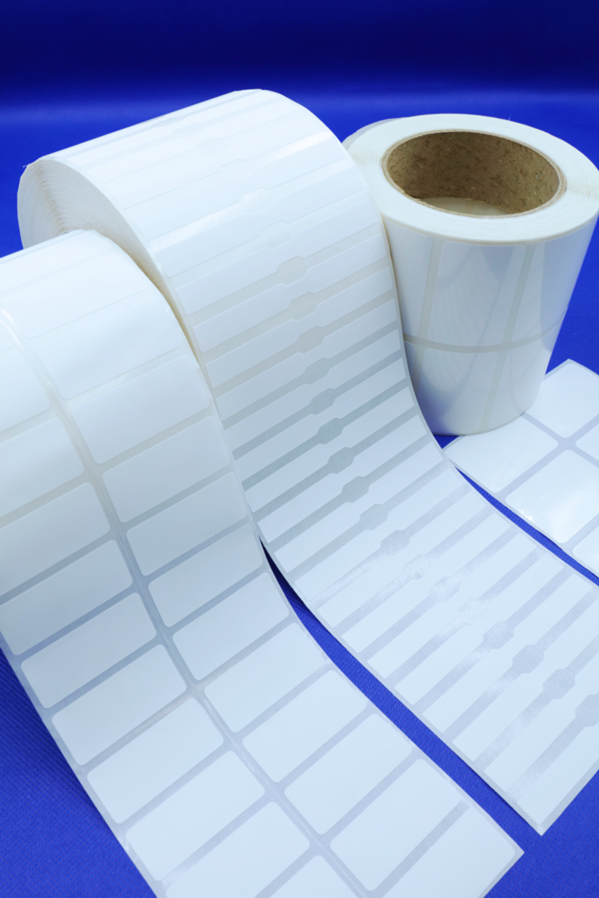
Barcode Labels
200.0 INR/Roll
Product Details:
- Color White
- Size Standard
- Finish Type Smooth
- Eco Friendly YES
- Print Type Digital
- Water Resistant YES
- Adhesive Side Single Sided
- Click to View more
X
Barcode Labels Price And Quantity
- 10 Roll
- 200.0 INR/Roll
Barcode Labels Product Specifications
- White
- Standard
- Smooth
- Digital
- YES
- YES
- Yes
- Single Sided
Barcode Labels Trade Information
- 500 Roll Per Day
- 1-2 Days
Product Description
Abarcodeorbar codeis a method of representing data in a visual, machine-readable form. Initially, barcodes represented data by varying the widths and spacings of parallel lines. These barcodes, now commonly referred to as linear or one-dimensional (1D), can be scanned by specialoptical scanners, calledbarcode readers. Later, two-dimensional (2D) variants were developed, using rectangles, dots,hexagonsand other geometric patterns, calledmatrix codesor2D barcodes, although they do not use bars as such. 2D barcodes can be read or deconstructed usingapplication softwareonmobile deviceswith inbuilt cameras, such assmartphones.
The barcode was invented by Norman Joseph Woodland and Bernard Silver and patented in the US in 1951.[1]The invention was based on Morse code[2]that was extended to thin and thick bars. However, it took over twenty years before this invention became commercially successful. An early use of one type of barcode in an industrial context was sponsored by theAssociation of American Railroadsin the late 1960s. Developed byGeneral Telephone and Electronics(GTE) and calledKarTrak ACI(Automatic Car Identification), this scheme involved placing colored stripes in various combinations on steel plates which were affixed to the sides of railroad rolling stock. Two plates were used per car, one on each side, with the arrangement of the colored stripes encoding information such as ownership, type of equipment, and identification number.[3]The plates were read by a trackside scanner, located for instance, at the entrance to a classification yard, while the car was moving past.[4]The project was abandoned after about ten years because the system proved unreliable after long-term use.[3]
Barcodes became commercially successful when they were used to automate supermarketcheckoutsystems, a task for which they have become almost universal. The Uniform Grocery Product Code Council had chosen, in 1973, the barcode design developed byGeorge Laurer. Laurer's barcode, with vertical bars, printed better than the circular barcode developed by Woodland and Silver.[5]Their use has spread to many other tasks that are generically referred to asautomatic identification and data capture(AIDC). The very first scanning of the now-ubiquitousUniversal Product Code(UPC) barcode was on a pack ofWrigley Companychewing gum in June 1974 at aMarsh supermarketinTroy, Ohio.[6][5]QR codes, a specific type of 2D barcode, have recently[when?]become very popular.
Tell us about your requirement

Price:
Quantity
Select Unit
- 50
- 100
- 200
- 250
- 500
- 1000+
Additional detail
Mobile number
Email

Other Products in 'Labels ' category

Register As New Dealer
Contact Details
COMBOSEAL INDUSTRIES PRIVATE LIMITED
GST : 07AAICM0619G1ZN
GST : 07AAICM0619G1ZN

- B-41, GT KARNAL ROAD INDUSTRIAL AREA,Delhi - 110033, India
- Phone :08045811965
-
MARKETING CHANNEL PARTNER
M/s MADHU ENTERPRISES
Tel- 01165199133, 9643523431

- Mr. K. C. Dwivedi (Director)
- Mobile :08045811965
- Send Inquiry
 Send Inquiry
|



 Send Inquiry
 Send SMS
 |
COMBOSEAL INDUSTRIES PRIVATE LIMITED
All Rights Reserved.(Terms of Use) Developed and Managed by Infocom Network Private Limited. |
